GreatLakesCruises.com is a sales agent for every cruise line that operates on the Great Lakes.


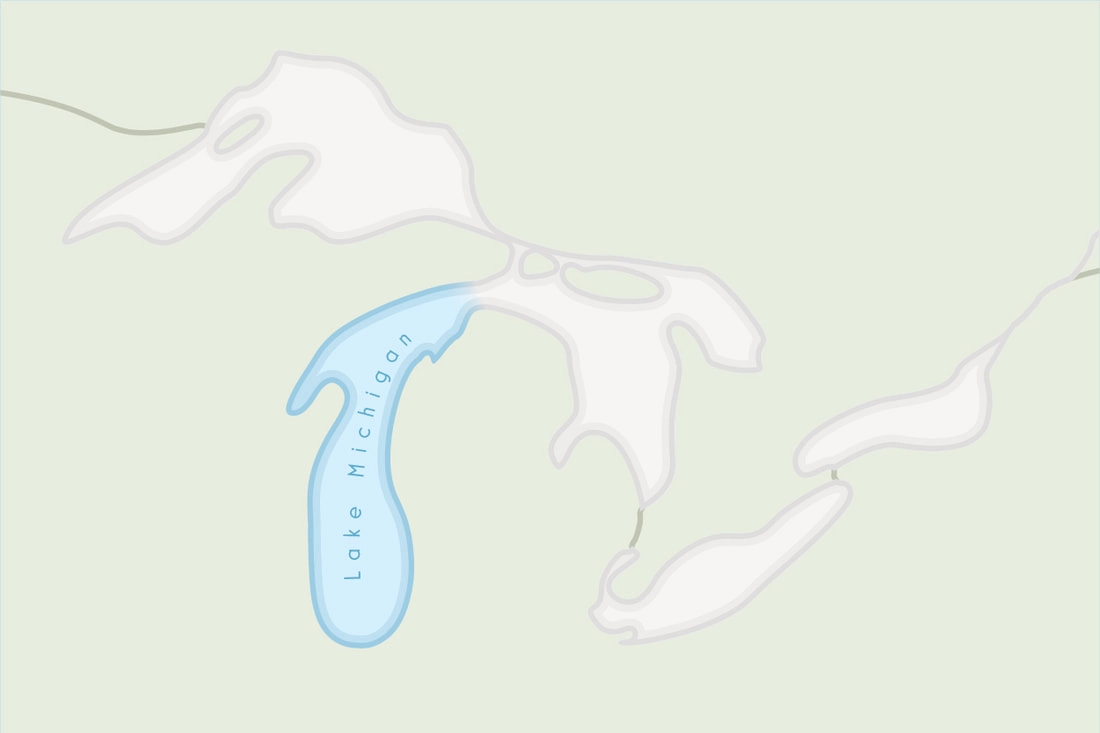
Lake Michigan is the second largest of America’s Great Lakes, and the only Great Lake that isn’t split between the Canadian and the U.S. territories. This lake is surrounded by the states of Michigan, Indiana, Illinois, and Wisconsin. This means it’s location is entirely under the U.S. territory. This body of water is a part of the world’s largest freshwater group of lakes, holding up to 1,180 cubic miles of water. Its surface area is 22,404 square miles (with an average depth of 279 ft), including the area of the small bay attached to the lake across the Strait of Mackinac. Its primary inflows include the Grand River, Fox River, and Menominee River. Water residence of Lake Michigan goes up to 99 years, then water travels through Chicago River and Calumet River to continue its journey. The water trajectory flow goes as follows: from Lake Superior to Lake Michigan, to Lake Huron, all the way to Lake Erie, then Lake Ontario, and finally ends up in the Atlantic Ocean. Lake Michigan is home to many iconic ports of call for Great Lakes Cruises and famous islands.
To explore more of the Great Lakes, from their histories to their myths and mysteries, visit our hand-curated Great Lakes Cruise Library.

Lake Michigan was formed about 1.2 billion years ago as a result of the separation of two tectonic plates that caused the Mid-Continental Rift. It was home to the Hopewell Indians, then the Late Woodland Indians. The word “Michigan” means “michi-gami” in the Objiwe language, which means “great water.” The lake was then discovered around 1634 by the European explorer Jean Nicolet. Lake Michigan and the Strait of Mackinac was an important fur trade route. Multiple forts were also reconstructed around the area, as well as an important military base (Fort Mackinac on Mackinac Island). The lake has played a major role in the development of the cities around it, such as Chicago.
| Elevation | 578 ft | Avg Depth | 279 ft | Length of Shoreline | 1,638 mi |
| Surface Area | 22,300 mi² | Max Depth | 925 ft | Avg Surface Temp | 46º F |
| Drainage Area | 45,600 mi² | Length (N-S) | 307 mi | Retention Time | 191 years |
| Volume of Water | 1,180 mi³ | Length (E-W) | 118 mi | Avg Outflow | 71,000 ft³/s |
| Elevation | 176 m | Avg Depth | 85 m | Length of Shoreline | 2,633 km |
| Surface Area | 57,800 km² | Max Depth | 282 m | Avg Surface Temp | 8º C |
| Drainage Area | 118,000 km² | Length (N-S) | 494 km | Retention Time | 191 years |
| Volume of Water | 4,920 km³ | Length (E-W) | 190 km | Avg Outflow | 2000 m³/s |
Lake Michigan’s fauna has gone through several changes throughout the years. It was originally home to lake whitefish, largemouth and smallmouth bass, catfish, and lake trout. Multiple invasive species were introduced into the lake during the Welland Canal alterations. These species were reproducing at a faster rate than the original species. As a result, several predator species of fish were introduced to solve this issue and it turned out really well. Lake Michigan is also home to lots of migratory birds.
Green Bay has a lot of rich history to offer. Visit the National Railroad Museum, and the Heritage Hill State Historical Park. Stop by the Green Bay Botanical Gardens, and the Bay Beach Wildlife Sanctuary to immerse yourself into nature.
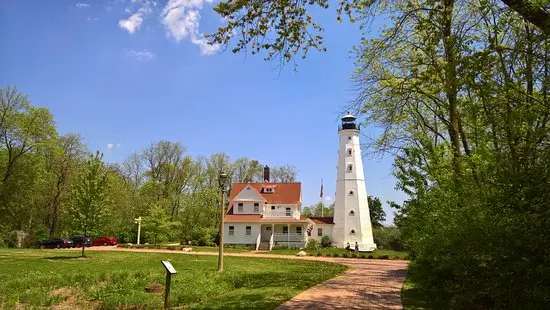
Visit the Great Lakes Distillery, one of the top attractions in the area. While in Milwaukee, make sure you stop at some of the most iconic museums in America: The Harley Davidson Museum, Milwaukee Art Museum, and the Public Museum. The North Point Lighthouse is also a landmark you can’t miss while in town!
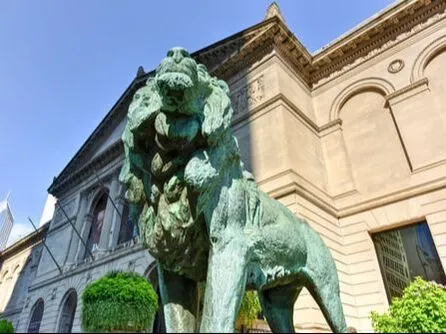
With a mix of urbanity, nature, and adventure, Chicago offers some of the most spectacular experiences around the Great Lakes. This port of call is home to the world-known Chicago Bean, the Navy Pier, and the Millenium Park. Other attractions include the Museum of Science and Industry, the Art Institute of Chicago, and the Chicago Botanic Garden. It is such a wholesome port of call to experience.
Experience this lovely port of call with its picturesque beaches, and calm atmosphere. You won’t want to miss the Lakeshore Museum Center while you’re in town. Muskegon is home to the Pere Marquette Beach, which is popular among surfers, cyclists, and runners (Lakeshore Trail).
Get to know the historic Downtown of Holland, and if you’re lucky enough to be around during the Tulip Time Festival (May), this is a must! Visit the Windmill Island Gardens, which are also iconic from the area, or visit the State Park Beach. Holland’s Dutch cultural identity will amaze you.
Mackinac Island, located right between Lake Michigan and Lake Huron, is a tourist favorite. Over 80% of this charming island is a State Park, filled with nature and trails to discover. A fun fact about this port of call is that automotive transportation is banned. Also, some buildings have been restored to their original 1800s appearance. This gives Mackinac Island a unique, old school feel. Take a Carriage Tour and explore all the many historic sites and museums in the area.